
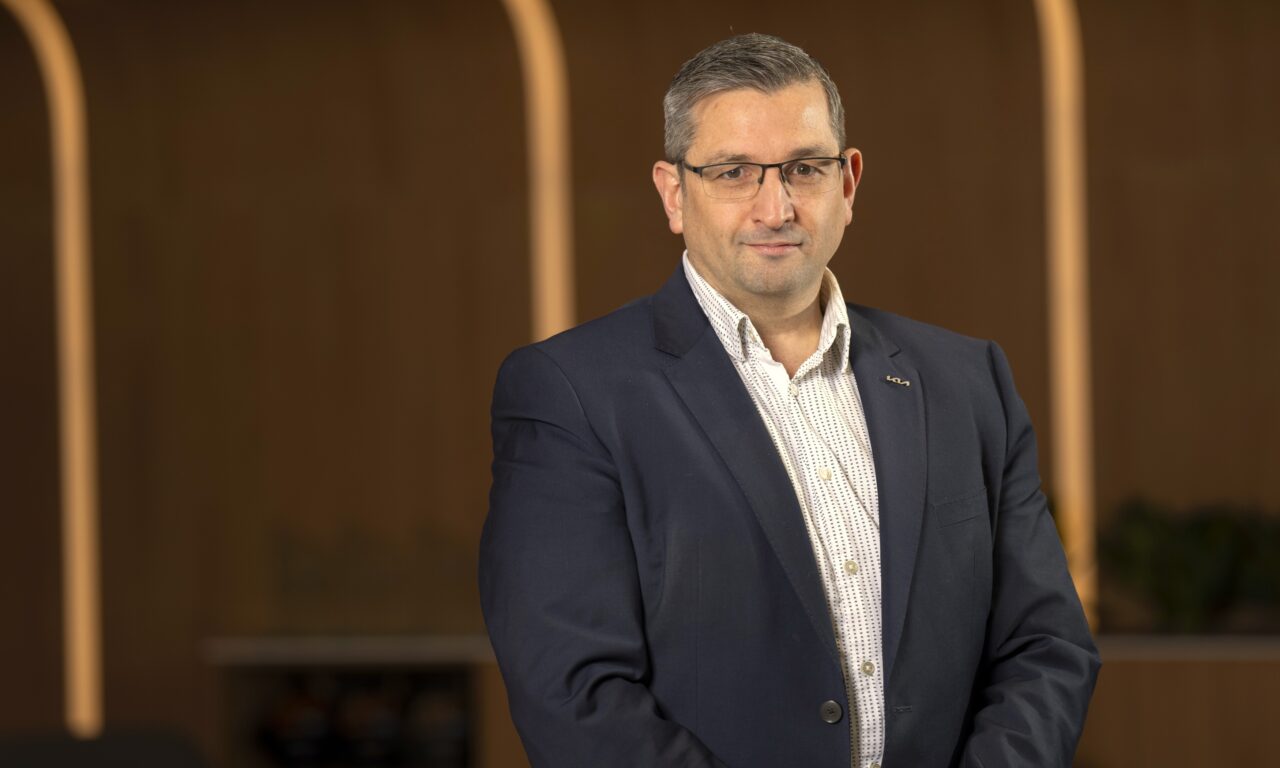
Kia’s Marketing Director, Steve Hicks, on how the brand builds long-term value through partnerships
In sponsorship, there is often a temptation to chase reach. New audiences. New properties. New opportunities. But the brands that extract the most value often do the opposite. They stay. They build. And over time, they become part of the fabric of what they sponsor.
Kia's long-standing partnership with Surrey County Cricket Club is a case in point. Now approaching two decades, the partnership has evolved from a traditional sponsorship into something far more embedded, spanning grassroots programmes, fan experiences and, more recently, a growing investment in the women's game.
We spoke to Steve Hicks, Marketing Director at Kia UK, to understand how that long-term approach has translated into both cultural and commercial value. Hicks will be exploring this theme in detail at Sponsorship Masters on 11th June in London.
Building trust
While many sponsorships are expected to deliver immediate visibility, Hicks points to the importance of earning the right to do more over time. "We've been working with Surrey for around 16 years now, and what we've seen is that trust builds over time," he explains. "You get to know the people, they get to know you, and your activations develop year on year."
That evolution has been deliberate. "It's about finding someone who shares your values, but also being respectful enough not to go too far," Hicks says. "Ultimately, the fans aren't there to see us." Rather than forcing brand presence, Kia has taken a more measured approach. "You need to make sure it grows slowly, rather than coming in and disrupting an environment that you're lucky to be part of."
From sponsorship to infrastructure
That long-term mindset has allowed Kia to move beyond traditional sponsorship assets, expanding into physical infrastructure, fan experiences and grassroots initiatives. "We've now got cars positioned at key entrances, we've rebuilt parts of the ground, and we've developed fan zones," Hicks explains. "Our grassroots programme has grown significantly as well. What started small has become something we've really refined over the years."
This is where long-term partnerships begin to compound. "It's not just a start-of-the-year conversation about what we're going to do," he says. "We're in constant dialogue with the club. We're probably meeting monthly throughout the year." That level of integration is difficult to achieve in shorter-term deals. "It allows you to go beyond just having a logo on a shirt," Hicks adds. "You become part of the environment."
This shift from sponsorship to something more embedded, and how brands operationalise that in practice, will be a central theme of discussion among brand leaders at Sponsorship Masters
Why longevity matters
For Kia, committing long-term was a conscious decision from the outset. "If we were going to go into a partnership, we wanted it to be a minimum of 10 years," Hicks says. "We're now heading towards 20."
The reason is simple: memory. "I'm a big sports fan, and I couldn't tell you half the sponsors that have come and gone over the years," he admits. "But if you stay long enough, people start to associate you with the club." That association is where real brand value is built. "Eventually, fans and even casual viewers begin to link you with that team. That doesn't happen with short-term deals."
Women's sport: cultural relevance meets commercial logic
Kia's most recent investment is in Surrey's women's team. "What we've seen with the women's team is their willingness to open the sport up and give back," Hicks says. "There's a real energy around growing the game." That aligns closely with Kia's broader objectives. "I think women's sport has never been more successful, and this is the moment to make sure that growth continues."
The decision was not driven by sentiment alone. "We were shown the numbers and the projections going forward, and it made commercial sense," Hicks explains. "Even if we weren't already involved with Surrey, we would have looked at it and said this is a good investment." Fifty per cent of car buyers are women, Hicks notes, making it important that Kia reflects that in how it shows up as a brand.
Playing the long game
One of the challenges with club partnerships is scale. Why invest heavily in one location when you could spread budget more widely? For Kia, The Oval provides both depth and reach. "It's not just Surrey matches," Hicks says. "You've got international fixtures, Ashes series, major events."
After nearly two decades, the partnership continues to grow, but the principle has remained consistent. "It's about choosing the right partner, taking your time, and building trust," Hicks says. "Once you have that, you can grow together." For brands, the question is not whether long-term partnerships work, but how to build them effectively in practice.
This is exactly the challenge Sponsorship Masters is designed to address under the event theme: Investment to Impact. Steve's session will go beyond the theory outlined here, focusing on how brands build authentic long-term partnerships. Register below to reserve your place.