Premier League seeks to plug £90m gambling deficit with league-wide sponsorship model
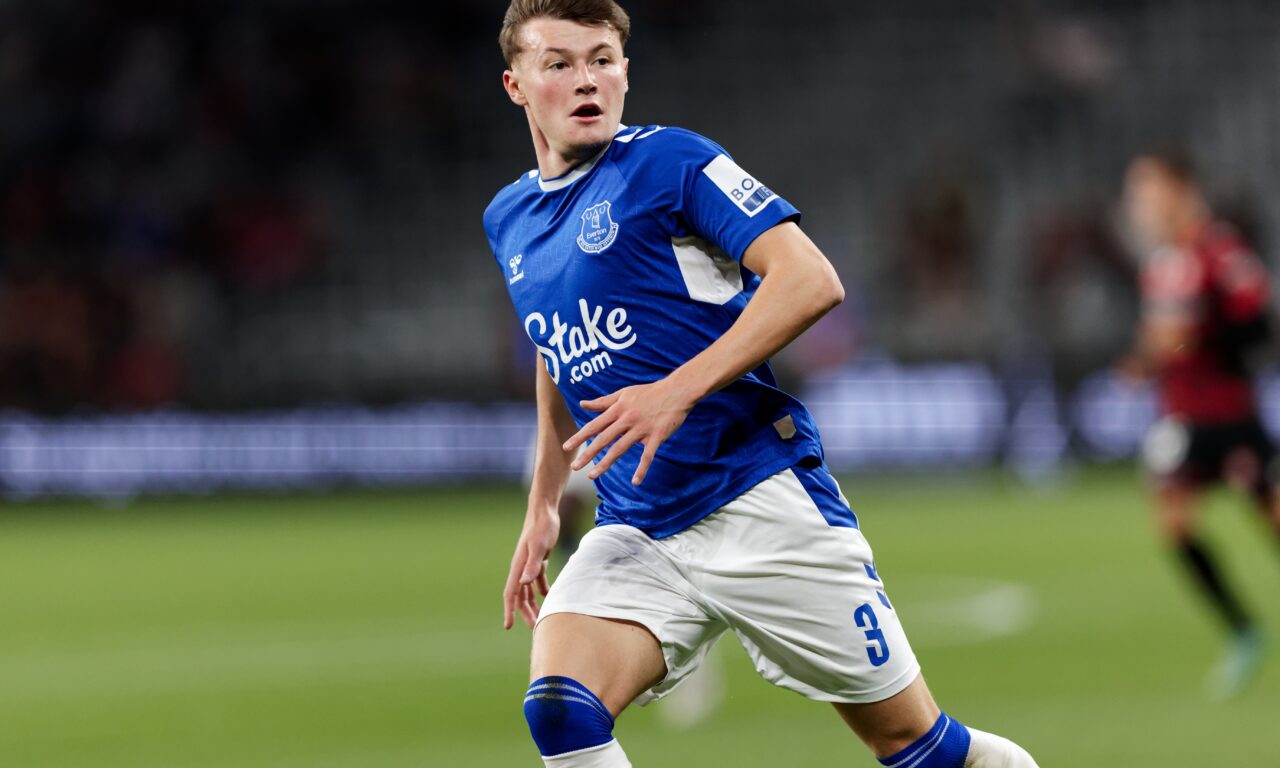
The Premier League’s gambling debate is no longer confined to front-of-shirt branding.
Clubs had already been preparing for the voluntary phase-out of betting sponsors from shirt fronts. But the government’s stance on removing non-UK licensed operators from all forms of Premier League involvement has significantly raised the stakes. If implemented in full, the move could create an estimated £90 million annual shortfall across clubs. That prospect has triggered a much broader commercial conversation inside the league.
Gambling brands sponsorship contribution
Gambling brands are estimated to contribute approximately £90m per year in Premier League sponsorship revenue. Analysis conducted by The Sponsor suggests these brands pay on average 38% above fair market value for equivalent inventory.
That premium reflects a combination of category aggression, strong customer lifetime value economics, limited competing sectors willing to match those rates, and regulatory pressure that increases urgency. In simple terms, gambling brands often overpay because their economics justify it. Remove the category, and that premium disappears.
Until recently, clubs believed they could manage the loss of front-of-shirt gambling partners by migrating betting brands into alternative inventory. Sleeves, LED perimeter boards, digital placements and regional partnerships offered ways to retain category spend while complying with restrictions. However, if non-licensed operators are removed entirely, that mitigation strategy weakens considerably. The revenue does not simply reduce; it disappears.
The financial impact on clubs
For many mid-table and lower-table clubs, gambling sponsorship represents a disproportionately important commercial category. A £90m collective gap does not impact every club equally. The largest clubs are diversified across global partners and multiple sectors. Smaller clubs are more exposed to category concentration risk. In practical terms, that could mean tighter headroom under profitability and sustainability rules, reduced transfer flexibility, and greater reliance on owner funding.
In response, the Premier League has floated the concept of a more centralised commercial model. Reports suggest a league-wide sponsorship structure could generate as much as £750m annually, distributed across clubs. In theory, such a model would stabilise revenues, offset gambling category losses and provide long-term predictability.
Yet this approach introduces internal tension. The largest clubs possess enormous commercial power in their own right. They are capable of securing global partnerships, commanding category premiums and structuring multi-territory deals independently. A centralised sponsor occupying a category introduces exclusivity constraints and reduces that freedom. For the top six, such restrictions risk diluting competitive commercial advantage. Without their agreement, collective deals struggle to progress.
Perilous consequences
The debate, therefore, extends well beyond gambling. If a central model fails, smaller clubs face a difficult challenge in finding replacements. If it succeeds, larger clubs sacrifice autonomy. Either outcome reshapes the internal commercial balance of the league.
This is no longer simply a regulatory or ethical discussion. It is about market distortion, commercial leverage, revenue redistribution and ultimately who controls the Premier League’s sponsorship architecture. The next 12 months may define how top-flight commercial revenues are structured for the next decade, the brands that gain access and the price they pay.