
Going the distance: Why racing’s true sponsorship value lies beyond the big festivals
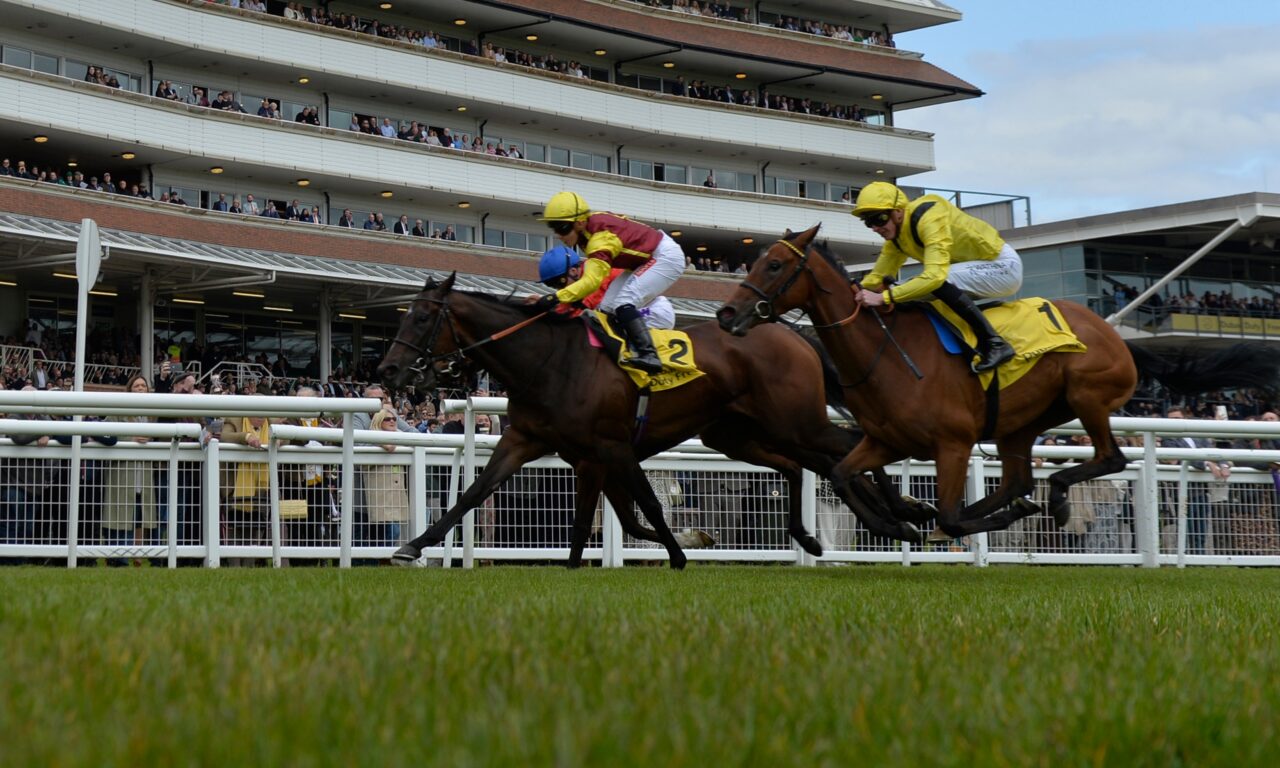
The racing festival season has kicked off with Cheltenham Festival, and the next four months will see major races and festivals, including the Grand National, Epsom Derby and Royal Ascot, fast approaching. Horse racing is about to enjoy its annual burst of mainstream attention.
For many brands, that is where the opportunity begins and ends.
They look at the big festivals, the hospitality demand, the television audiences and the social buzz, and conclude that racing is primarily an event-led sponsorship opportunity. That is understandable. These are the moments when the sport is at its most visible and glamorous.
That makes sense, but it also risks missing where racing’s real long-term value lies.
A year-round presence
The biggest racing festivals are powerful platforms, but they are often fleeting. They attract broad, event-led audiences, many of whom come for the day itself rather than because they live and breathe the sport.
The more overlooked opportunity is the year-round presence that racecourses can offer.
Courses such as Newbury do not exist for one or two big days a year. They operate across seasons and audience types. Winter jump racing attracts a loyal, knowledgeable crowd that comes because it genuinely cares about the sport. Summer flat meetings often bring in a younger, more social audience. Music racedays introduce new consumers. Memberships, hospitality and business events create further touchpoints beyond the race itself.
For brands active in racing, this ongoing calendar is central to the value.
Rachel Woodward, Director of Sponsorship at Howden and a long-term Ascot partner, says the company deliberately approaches racing as a year-round platform rather than a single-event opportunity.
“We sponsor 26 race days at Ascot, including the Royal Ascot meeting in June,” she told The Sponsor. “That means the engagement doesn’t just happen during the Royal meeting week. The box is full throughout the year because our colleagues and clients genuinely enjoy coming to the races.”
Also speaking to The Sponsor, Newbury CEO Shaun Hinds described racing as “a very diverse audience in the sense of it appeals to pretty much everybody,” but also made clear that different racedays attract very different people. In winter, he said, Newbury sees “the hardcore racing fans” who attend because “they love their racing.” In summer, the audience becomes more social, with the occasion itself playing a bigger role.
Woodward says this continuity is one of the reasons racing works particularly well for client engagement.
“It’s a relaxed environment where people can spend time together properly,” she said. “You’re not just sitting at a table all day. People see the horses, walk around the course and have conversations in a very natural way.”
That is exactly why brands need to stop thinking of racing as one broad sponsorship buy. The real value comes from identifying which part of the audience matters and building a sustained presence around it.
Why racecourses are becoming more valuable to sponsors
Horse racing may have one of the most diverse audiences in sport. At the same event, you can have punters paying £10 for admission, hospitality guests paying hundreds, and owners and sponsors spending thousands. You have committed racing fans who attend through the winter because they love the sport, casual racegoers who fancy a day out, and younger audiences drawn by post-race music. When it comes to gender, racing is unique in that it has a relatively even male-female split that few sports can match.
That breadth is a major asset, but it also creates a challenge. Racing is not one audience. There are many. Unless a brand is clear about who it wants to reach and how, the category can feel difficult to pin down.
This is one reason gambling brands have historically looked so comfortable in horse racing. Their proposition can stretch across almost every audience segment. Most non-gambling brands, by contrast, have tended to focus their spend around the major festivals and televised occasions.
How brands should approach horse racing sponsorship
The mistake is to treat the major festivals as the whole strategy. They should be the peak of a wider programme.
A strong racing sponsorship should use the headline events as shop windows, but build real value through repeated presence across the year. That might include multiple racedays, venue branding, hospitality, themed activations, member engagement, digital content and use of the racecourse beyond racing itself.
This is one of racing’s underappreciated strengths. Racecourses are large, flexible environments with naming rights opportunities across stands, lounges, bars and clubs. Partners can create a presence that feels embedded rather than temporary.
Hinds pointed to partnerships at Newbury that have done exactly that, not just through raceday sponsorship but through long-term venue association and brand-led experiences that bring their proposition to life in a way that feels natural within the environment.
That is the key. Racing works best when sponsors do more than show up with a logo. The strongest partnerships find a way to own their space within the venue and stay visible over time.
More than a one-day hit
There is no doubt that Cheltenham, Aintree and Royal Ascot are attractive sponsorship properties. But when sponsored in isolation, even the biggest festivals can be little more than a splash that quickly fades.
The deeper opportunity in horse racing is the steady drumbeat of engagement that comes from showing up consistently in front of a loyal audience, in an environment that blends premium access, broad appeal and increasing audience intelligence.
The brands that win in horse racing will not be the ones that only appear for the biggest day. They will be the ones that understand the festival is the cherry on the cake, not the cake itself.