Undersell or walk away? What Chelsea and Welsh Rugby reveal about pricing power in sponsorship
The challenge of selling sponsorship in the current market is well understood. Budgets are under pressure, approvals take longer, and brands are increasingly cautious about committing to long-term deals. But recent decisions by Chelsea and the Welsh Rugby Union illustrate how different responses to that challenge can produce very different long-term outcomes.
Chelsea have been open about their approach to front-of-shirt sponsorship. Rather than accept a deal they believe undervalues the asset, the club has chosen to leave the position unsold. According to The Sponsor's Premier League fair market analysis, Chelsea’s front-of-shirt sponsorship is valued at £50.3m per year, based on comparable deals in elite European football. Walking away may be uncomfortable in the short term, but it preserves pricing integrity and future negotiating power.
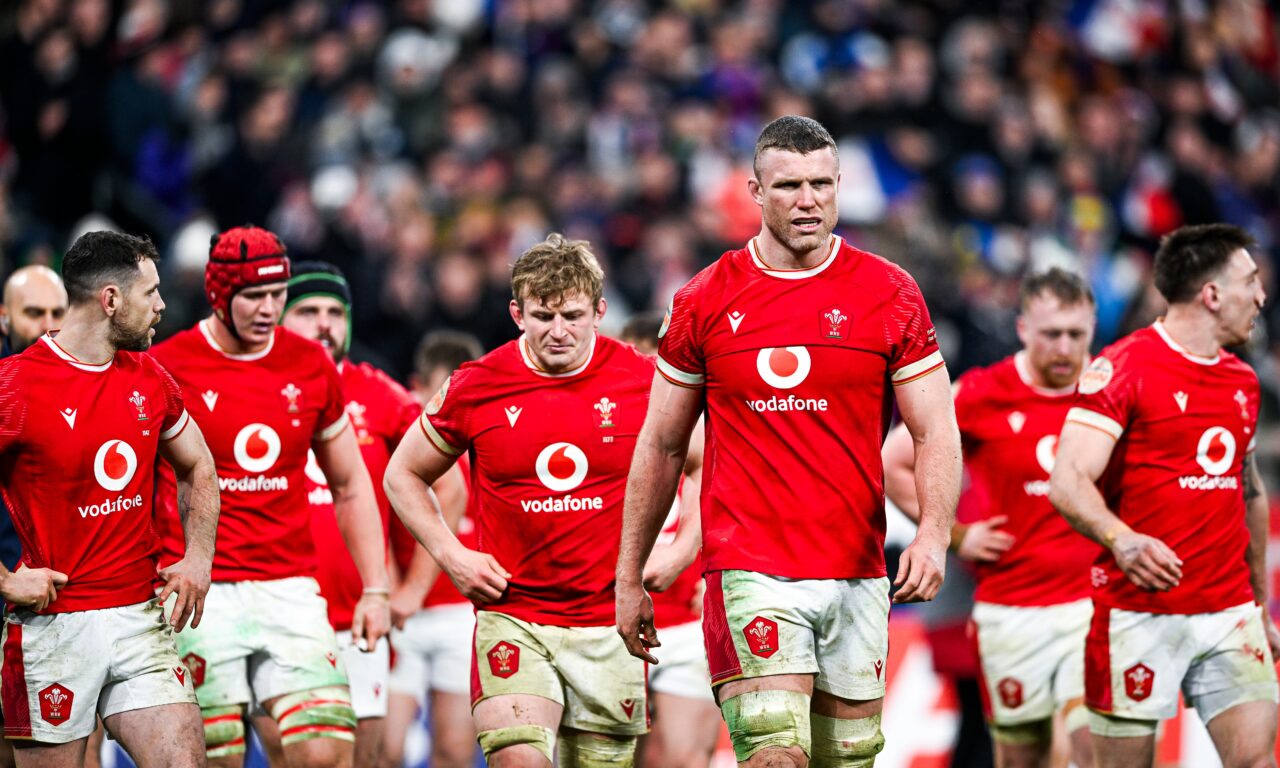
The Welsh Rugby Union has taken a different path. This week, it was reported that the WRU has agreed a three-year extension to the naming rights deal for the Principality Stadium, largely to avoid the cost of a full rebrand and searching for a new sponsor.
European stadium naming rights values
Research by The Sponsor, published in City AM, suggests that the decision carries a high long-term cost. The Sponsor's European Stadium Naming Rights Fair Market Values Report valued the Principality Stadium naming rights at £5.5m per year, based on what brands have paid in comparable, arm’s-length stadium naming rights deals across Europe. The existing agreement undervalued the asset by £4.5m per year, making it the largest known undersell among the 75 European stadiums analysed.
Over the original 10-year term, that gap equates to £45m of foregone revenue. If the extension has been agreed on similar terms, a further £13.5m will be left on the table, taking the total opportunity cost to £58.5m over 13 years.
This is not a debate about branding strategy or sponsor fit. It is a question of pricing discipline.
Long-term impact
Once a sponsorship asset is anchored at the wrong price, resetting expectations becomes extremely difficult. Buyers rarely volunteer to pay more for something they have previously acquired cheaply. That reality is familiar to anyone involved in sales.
Selling sponsorship is hard, particularly in a cautious market. But the Chelsea and WRU examples underline a broader truth: accepting the wrong deal can be more expensive than accepting no deal at all.
For rights holders, the only reliable reference point is market value, what brands have actually paid for comparable assets in comparable conditions. Without that context, negotiation becomes guesswork.
The full fair market values for 75 major European stadiums, including the home venues of the Six Nations rugby teams, are detailed in The Sponsor’s European Stadium Naming Rights Fair Market Value report, alongside pricing analysis, demand drivers and full regression methodology.