
Manchester City settlement highlights importance of fair market value in sponsorship
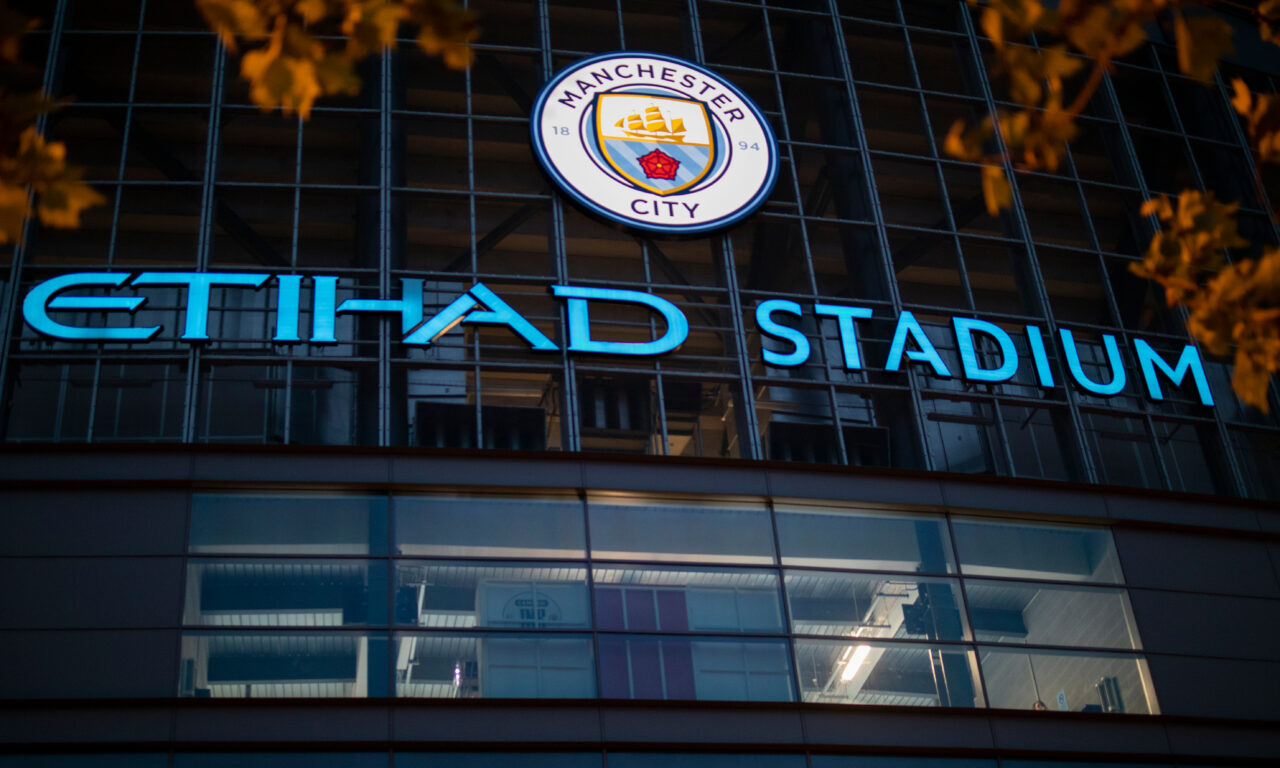
Yesterday, Manchester City and the Premier League drew a line under their long-running dispute over Associated Party Transaction (APT) rules. The two sides confirmed a settlement, with City accepting that the rules governing fair market value (FMV) sponsorship deals with related parties are valid and binding.
It ends a costly legal battle, but the significance of the settlement goes far beyond the courtroom. At its heart is a simple truth: Fair market value in sponsorship matters.
Why APT rules exist
APT regulations were introduced in 2021, shortly after Newcastle United’s Saudi-led takeover, to stop clubs inflating commercial deals with companies linked to their owners. The aim is to protect competitive balance by ensuring sponsorships reflect genuine market value rather than owner subsidies disguised as partnerships.
In 2023, those rules came into sharp focus when the Premier League blocked Manchester City’s renewal with Etihad Airways, arguing the deal was inflated but without publishing their own valuation. The lack of transparency only fuelled City’s frustration and eventually their legal challenge.
That same year, The Sponsor valued City’s front-of-shirt sponsorship at £72.8m as part of our Premier League Fair Market Sponsorship Values 2023 report.
Fair market value in practice
Every year, The Sponsor publishes the Premier League Fair Market Sponsorship Values, providing independent FMV assessments for every club’s front-of-shirt and sleeve assets. First published in June 2025, this year’s full table is available here.
Fair market value in sponsorship refers to the amount a team or event can reasonably expect to achieve on the open market where no associated party relationship exists. The Premier League’s APT rules are designed to protect this principle by preventing artificially inflated deals with related parties.
FMV is calculated using a weighted scorecard of the factors senior brand marketers value most, which can be grouped into reputation, audience and social contribution. These strength scores are benchmarked against publicly reported commercial deals and modelled using a polynomial regression analysis to produce a fair market rate for each club’s sponsorship assets.
This ensures FMV is not theoretical but grounded in the commercial reality of deals actually agreed in the market. That’s why regulators use it, why brands rely on it, and why this settlement matters.
You can also see our dedicated Premier League sleeve sponsorship values here.
Why it matters to brands
For brands, fair market value is a crucial guide to ensure they pay a fair price for sponsorship, not one inflated by headline media value, which may count eyeballs but tells you little about real impact. By definition, FMV is the market rate, and knowing what comparable deals are worth is the only true clarity brands can have.
Sponsorship is complex, but FMV gives brands a grounded benchmark. It provides transparency and helps ensure that investments lead to meaningful returns, not wasted budgets.
For rights holders
For rights holders, fair market value is equally critical. FMV takes into account all the benefits a club offers, including its history, heritage, community impact, and cultural footprint, not just the size of its audience or the minutes of TV exposure.
By highlighting the market rate, FMV gives rights holders a defensible and transparent benchmark. It strengthens negotiations, justifies sponsorship fees, and proves to partners that the value of a deal lies in far more than shirt space or broadcast visibility.
Premier League fair market sponsorship values
The Premier League keeps its own FMV workings under wraps. At The Sponsor, however, we make our valuations public, giving brands, clubs and agencies a transparent benchmark. This year’s research shows Liverpool topping the table at £65.9m, while Manchester United slipped to £51.1m after missing out on European football.
With APT rules now settled, the challenge shifts from regulation to execution: ensuring sponsorships deliver the return and impact that both clubs and brands expect.
Fair market value in sponsorship is here to stay. To find out more about how to calculate and apply FMV, email info@thesponsor.com.