Duracell’s Global CMO on why perception matters more than visibility
When shoppers stand in the battery aisle deciding between Duracell and a cheaper supermarket own-brand alternative, awareness is rarely the deciding factor. Almost everyone already knows the Duracell brand. The commercial challenge is convincing consumers that Duracell batteries last longer and are worth paying a premium for.
According to Javier Hernandez Reta, Global Chief Marketing Officer at Duracell, that single objective sits behind every sponsorship the company undertakes. Rather than chasing visibility for its own sake, every partnership is designed to reinforce one simple belief: while others stop, Duracell keeps going.
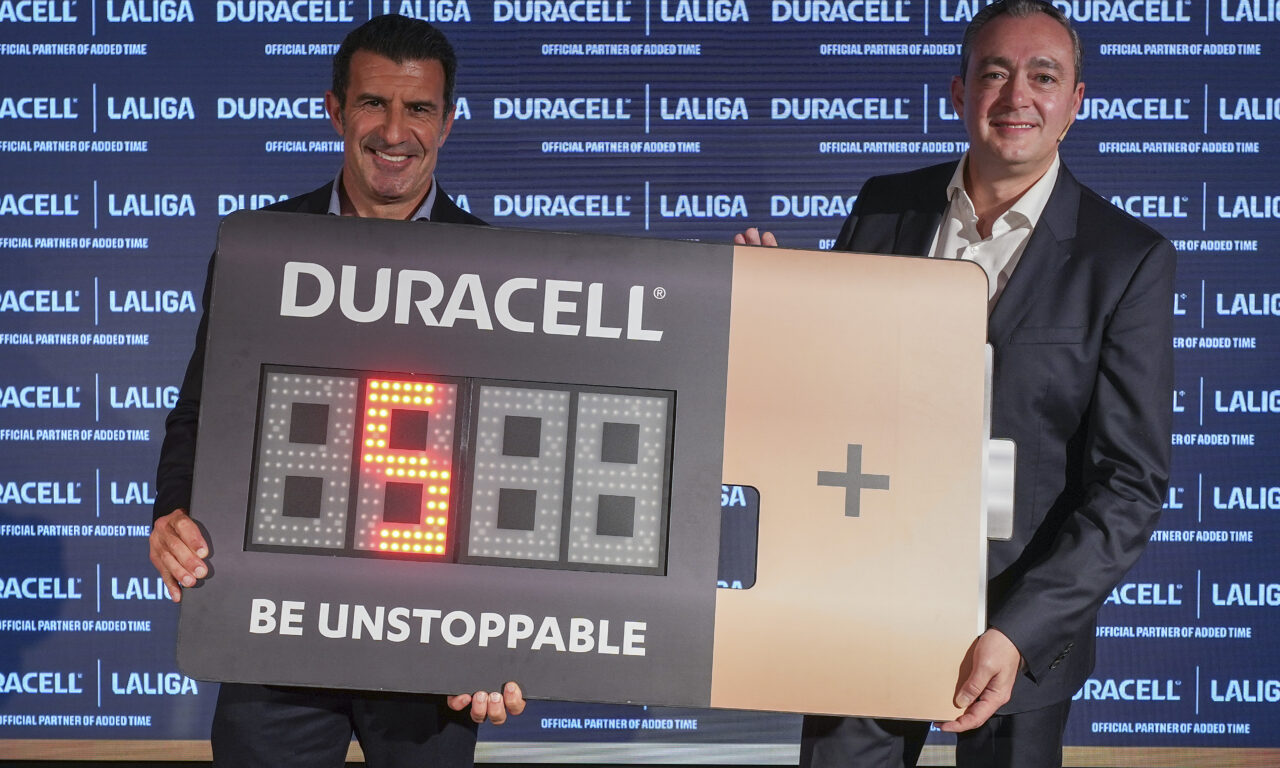
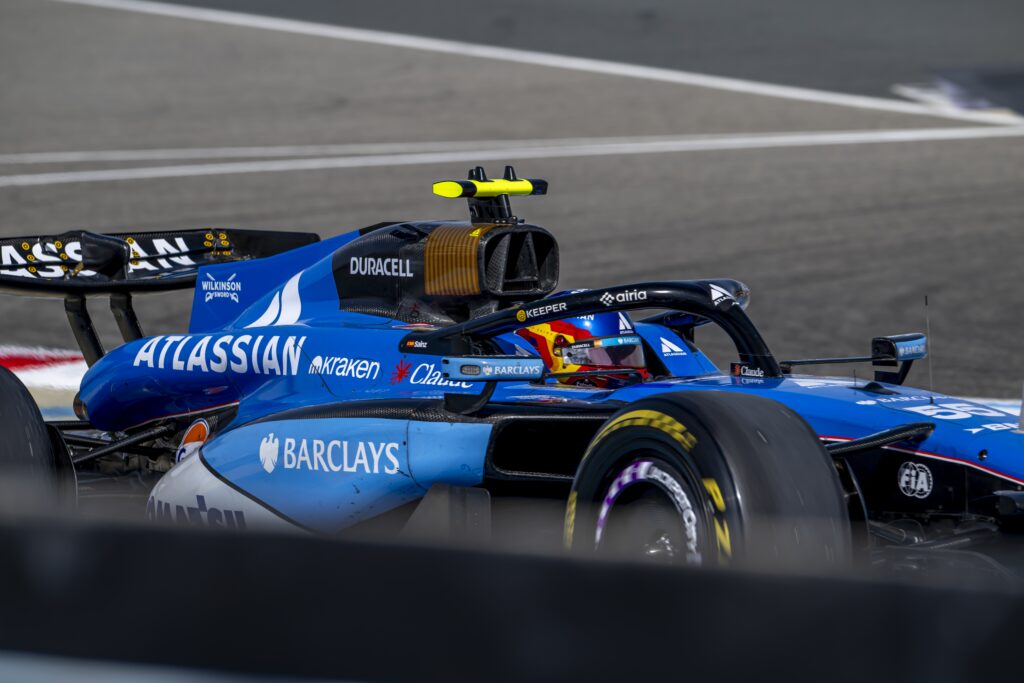
From the iconic battery integrated into the Williams Formula One car's air intake to the newly launched La Liga partnership, where the fourth official's added-time board has become a giant Duracell battery, every activation is built around the same idea. It isn't simply about being seen. It's about strengthening the perception that Duracell delivers extra power when it matters most.
Sponsorship accelerates belief
Duracell's move into sport was driven by the fact that it is becoming increasingly difficult to communicate a single, commercially important message through traditional advertising.
"It is so difficult to break through in advertising," Javier explains. "The clutter is becoming more fragmented and you're really fighting for attention. We don't believe that you can achieve that through traditional media."
Consumers are constantly distracted, whether scrolling social media while television adverts play in the background or moving through an endless stream of digital content.
"There's so much information that you need to find spaces where you can fight for attention in ways that are memorable experience."
Sport, Javier believes, remains one of the few environments where audiences are genuinely engaged.
"Sport is one of those places where people have very high passion and very high attention."
For Duracell, it also provides a natural extension of the brand itself.
"The image that comes to mind is of a bunny that is unstoppable, that lasts longer and keeps going . That immediately takes you into the world of sport, where you need endurance, extra power and extra energy to get through the line while others stop."
Advertising had communicated that message for years. Sponsorship didn't replace it. Instead, it gave Duracell a more memorable way of embedding that same belief into consumers' minds.
Don't be a logo. Own a story
Simply appearing inside a sporting event was never the objective.
"You cannot just be a logo," Javier says. "You need to be an integral part of the game."
That philosophy has shaped every major sponsorship the brand has undertaken.
"We want to create a story that is intuitive, distinctive, and genuine ."
The Williams Formula One partnership is perhaps the best-known example. Rather than placing another sponsor logo on the car, Duracell transformed the air intake into the shape of its iconic battery, creating one of the most recognisable branding assets in Formula One.
The same thinking now underpins its La Liga partnership. During substitutions and added time, the fourth official's electronic board becomes a giant Duracell battery, visually reinforcing the idea of fresh energy and extra power at precisely the moment the game demands it.
For Javier, these moments matter because they communicate the brand promise rather than simply displaying the brand.
"Owning a moment or owning a space is so important because otherwise you're not part of the game. You're just a logo amongst hundreds of brands."
The value lies in the story that those moments create.
"It's about the narrative. It's about what you want to own that connects to your brand and that you can then exploit and activate across touchpoints."
From the pitch to the shelf
For Duracell, the real value of sponsorship isn't measured during the match. It's measured much later, when consumers are standing in front of the shelf deciding whether to pay more for Duracell or choose a cheaper alternative.
The purpose of every activation is to reinforce the same mental association. Whether consumers encounter Duracell on a Formula One car, during added time in La Liga, on social media or in-store, they receive the same message: Duracell provides extra power when it matters most.
"Owning that moment means I can go into social with just an image of added time and people immediately understand the narrative," Javier explains.
The same visual language extends into retail.
"If I have an in-store display with the added-time board, people immediately understand that this is about being unstoppable, extra power when you need it most."
That consistency is why Duracell builds fully integrated sponsorship programmes rather than relying on a single activation.
"We aim for more than only a few seconds during the broadcast. That's why we built a 360-degree activation around it."
Every touchpoint reinforces the same perception, increasing the likelihood that when shoppers reach the battery aisle, they choose Duracell because they believe it will last longer.
Measuring perception, not just visibility
Despite the scale of its sponsorship portfolio, Duracell doesn't judge success by how many people have seen its logo.
"Our awareness is already super high," Javier says. "Just getting the brand name out there isn't why we do this."
Instead, the company measures whether sponsorship strengthens the belief that differentiates Duracell from cheaper alternatives.
"It's really about bringing meaning. Not all batteries are equal. When the rest slow down, we are unstoppable."
That distinction shapes how the company evaluates success.
"If we only get awareness but we don't get the message through, I don't think this would be a success."
To understand whether that message is landing, sponsorship is measured within the same framework as every other marketing investment.
"We monitor awareness, affinity and how our core brand attributes move," Javier explains. "We measure sales at retail level and use marketing mix modelling to understand how our efforts eventually impact purchase."
Brand tracking, retail sales and marketing mix modelling combine to show how sponsorship contributes to commercial performance rather than simply media exposure.
Yet Javier is equally clear that marketing cannot be reduced entirely to spreadsheets.
"Some decisions are guided by data, but ultimately shaped by human insight. You cannot remove judgement."
Perhaps the clearest evidence has come from consumers themselves.
"More and more people are getting back to us saying, 'Wow, this is really cool.' We've noticed it has had a much bigger impact than traditional advertising."
For Duracell, that reaction suggests sponsorship has accelerated a message advertising alone had been communicating for decades.
Three principles for creating memorable sponsorships
Asked what advice he would give to other brands, Javier says successful sponsorships share three characteristics.
The first is finding the right territory.
"It starts with defining the playing field. Not every sport will necessarily work."
The second is creating an idea that feels completely natural.
"People should say, 'Yes, of course. Why didn't I think of that before?'"
Finally, the activation must feel authentic to both the property and the brand.
Using the added-time board as an example, Javier explains: "It's genuine for the sport because it is an important moment. It's genuine for the brand because we design our batteries to last longer. People don't debate it. They simply say, 'Yes, of course. It makes sense.'"
For Javier, the strongest sponsorships combine all three qualities.
"Sometimes you'll get all three, sometimes you won't, but my rule of thumb is to go for at least two out of three. If you only get one, it's probably not the right property. If you get all three, jackpot."
Duracell's sponsorship strategy is built on a simple principle. Visibility may earn attention, but perception drives purchasing decisions. Every partnership, activation and retail programme exists to reinforce one commercially valuable belief: when consumers need batteries that last longer, Duracell is the brand they trust.